
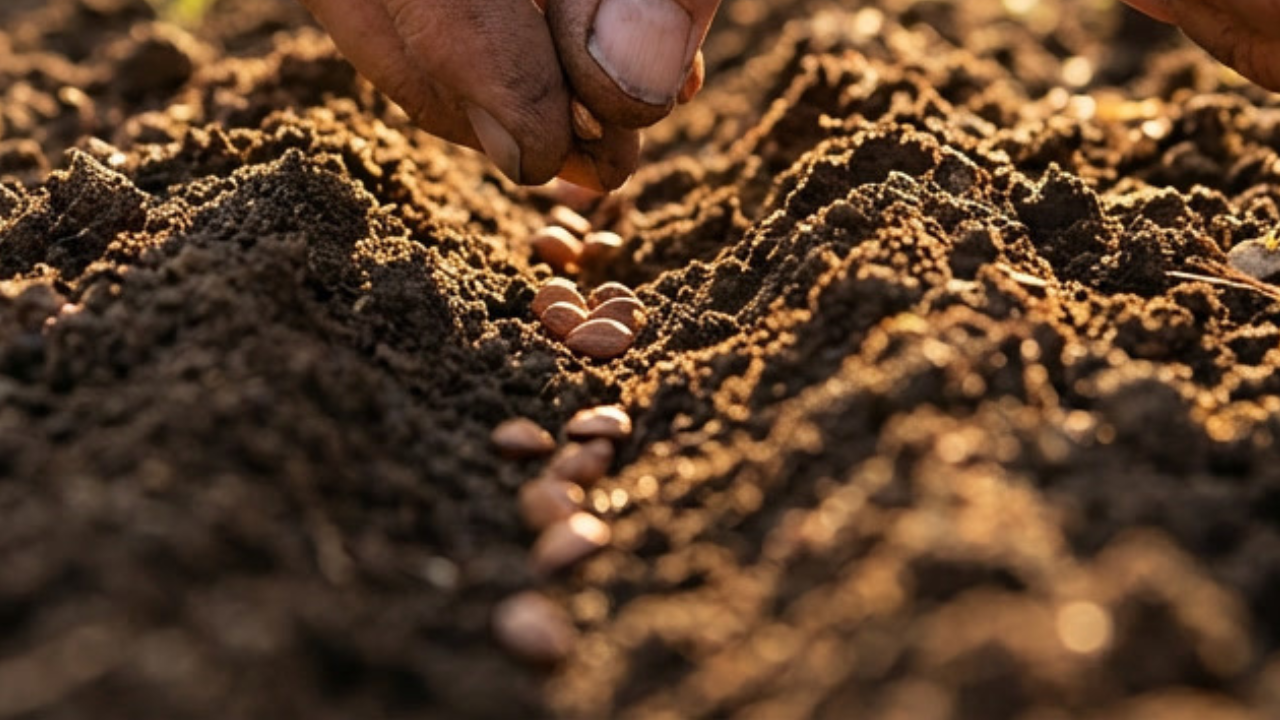
Every Harvest Starts With A Seed
Whenever I'm starting something new in the garden, there is always a moment when I look down at the seed in my hand and think about how strange the whole process really is. Something so small can eventually become something that takes up an entire corner of the garden. It can climb a trellis, spread across a garden bed, flower, produce food, and eventually give me more seeds to plant again. But in the beginning, none of that is visible. All I have is a seed and the hope of what it might become.

Right Seed. Wrong Season.
I've noticed how impatience often disguises itself as determination. We want results because we've invested our time, energy, and hope into something. We convince ourselves that if we just work a little harder, push a little more, or hurry the process along, we'll finally see the outcome we've been waiting for. Gardening refuses to cooperate with that mindset. Seeds don't respond to pressure. They respond to the conditions they were created for.
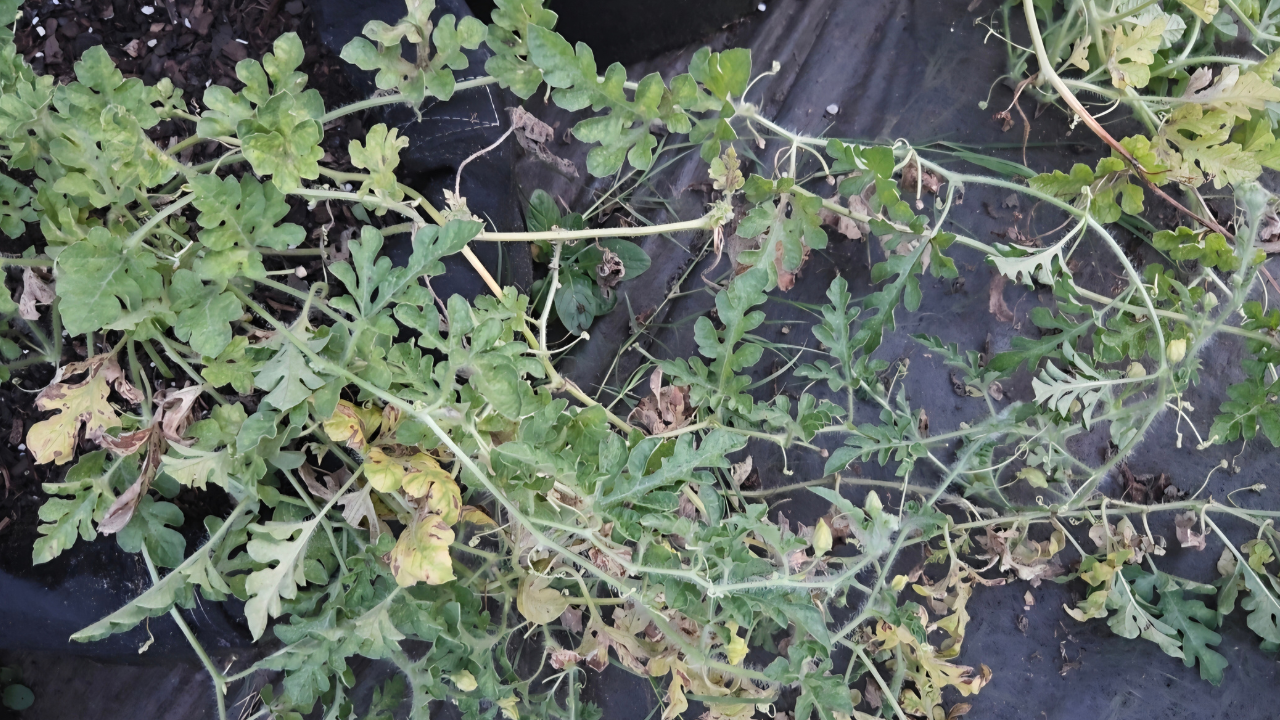
Some Things Aren't Finished. They're Just Struggling.
Before we decide that something is over, it's worth taking a closer look. We may discover that what appeared to be finished was simply waiting for someone willing to care for it a little longer.
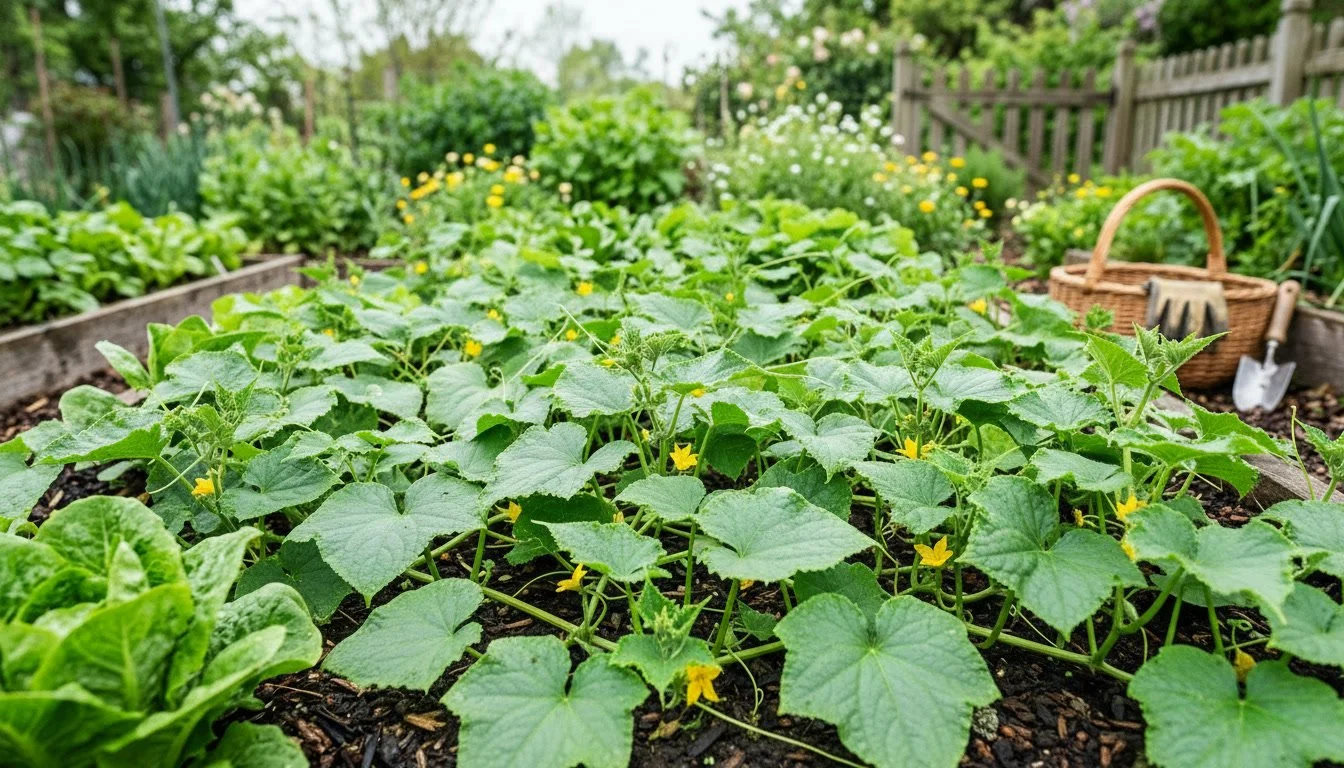
Sometimes the Best Thing You Can Plant Is Something New
Whenever we plant a seed, we imagine the harvest long before it arrives. We picture full baskets, healthy plants, and recipes we'll eventually make. When those expectations don't become reality, it's easy to feel as though we've failed.
But the garden rarely sees it that way.
Instead of dwelling on what didn't grow, it quietly asks a different question.
What can you plant now?

August Theme: Disappointment
When I first started gardening, I thought success looked like a full harvest basket. If I planted tomatoes, I expected tomatoes. If I planted cabbage, I expected cabbage. If something didn't produce, I couldn't help but feel like I had done something wrong.
The longer I've spent in the garden, the more I've realized that gardening doesn't always work that way.
Some seasons are generous. Others are humbling.

How I'm Preparing My Garden for Fall (While It's Still Summer)
If you're like most gardeners, you're probably still focused on harvesting tomatoes, peppers, cucumbers, and everything else your summer garden has been producing.
So why would anyone already be thinking about fall?
The answer is simple: timing.
One of the biggest mistakes I see gardeners make is waiting until the weather finally cools off before they start planning their fall garden. By then, many crops are already behind schedule, especially if you're starting from seed.
A productive fall garden doesn't begin in September. It begins while summer is still in full swing.
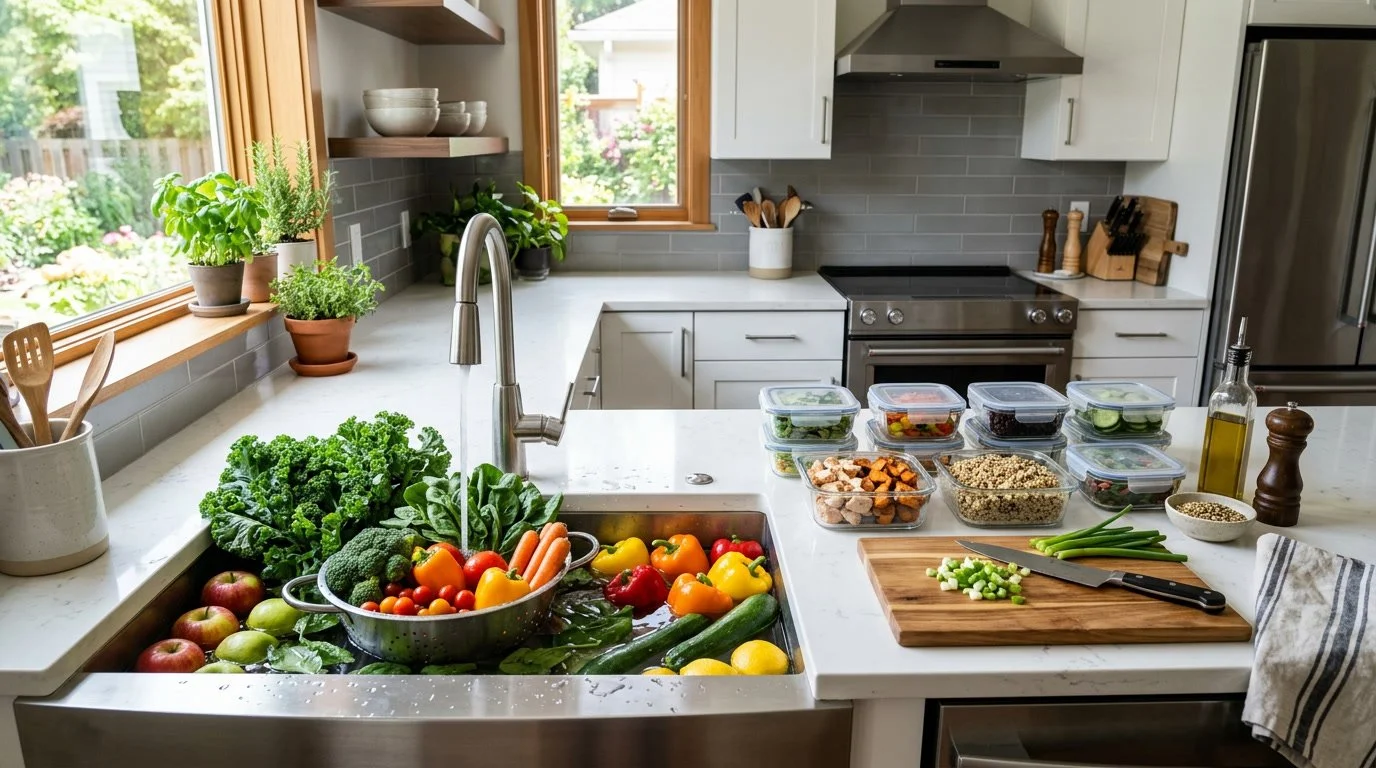
How to Create a Calm Weekly Meal Routine
One of the most important steps in creating a calm weekly meal routine is planning ahead. A little preparation can save a lot of stress during the week and help you make healthier choices when life gets busy.

Why Gateway Vegan Was Created
I began incorporating more plant forward meals into my everyday routine as a way to create balance. I wasn't focused on being perfect. I simply wanted to eat more foods that made me feel energized, nourished, and connected to a healthier way of living.

Pantry Staples for Plant Based Cooking
One of the easiest ways to make plant-forward eating feel sustainable is to keep a few reliable staples in your kitchen. When your pantry is stocked with simple ingredients, healthy meals come together much faster, and you’re less likely to feel like eating well requires a complicated recipe or a special grocery trip.

5 Things You Must Do Before Starting Seeds Indoors
Starting seeds indoors is one of the most exciting parts of gardening. There's something special about watching tiny seeds develop into healthy plants that will eventually produce food, flowers, or herbs. However, successful seed starting begins long before you place a seed in the soil.
A little preparation can save you time, money, and frustration later in the growing season. Before you start your first seed tray, here are five important things to consider.