
How I'm Preparing My Garden for Fall (While It's Still Summer)
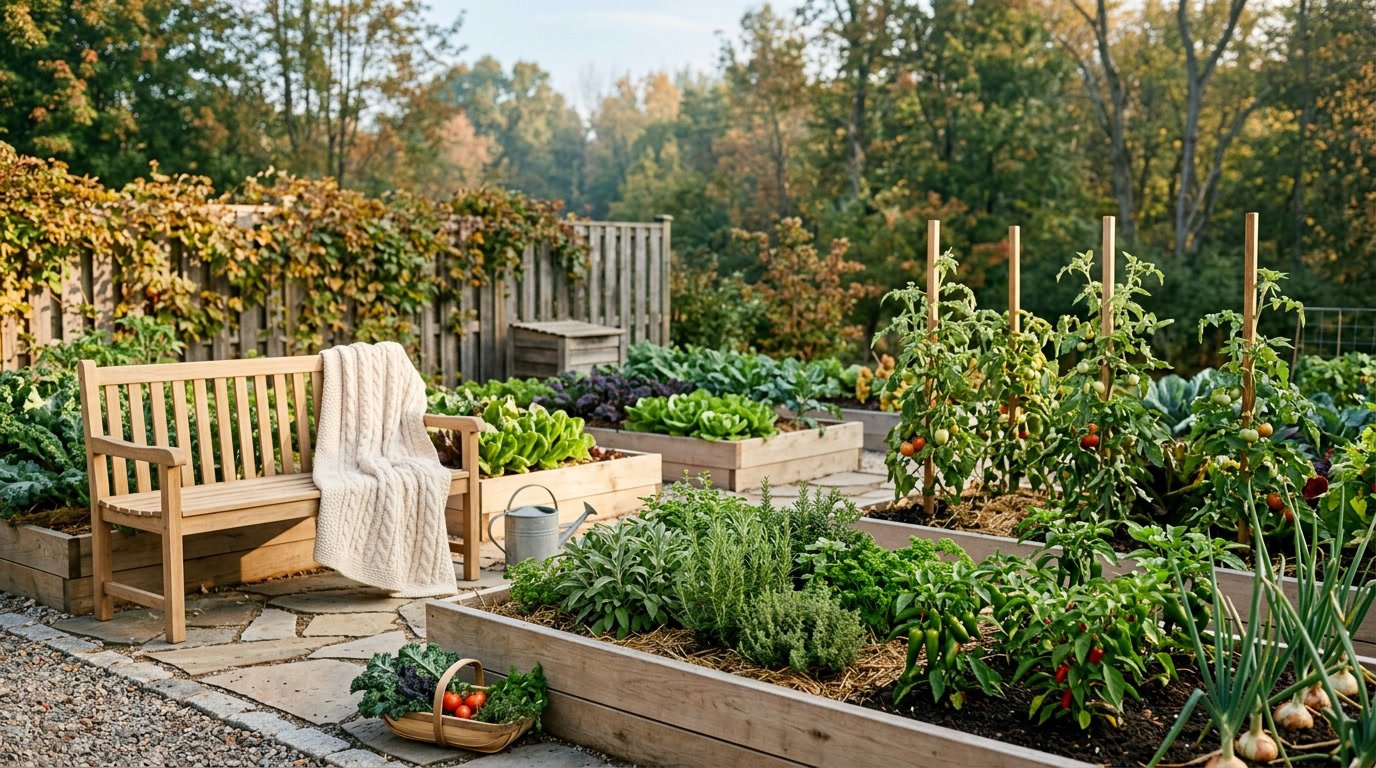
If you're like most gardeners, you're probably still focused on harvesting tomatoes, peppers, cucumbers, and everything else your summer garden has been producing.
So why would anyone already be thinking about fall?
The answer is simple: timing.
One of the biggest mistakes I see gardeners make is waiting until the weather finally cools off before they start planning their fall garden. By then, many crops are already behind schedule, especially if you're starting from seed.
A productive fall garden doesn't begin in September. It begins while summer is still in full swing.
Why I Start Planning Early
Every season teaches me something new, but one lesson stays the same:
Preparation makes gardening less stressful.
Instead of scrambling to buy supplies or wondering what I should plant, I like to spend time planning before I ever put another seed in the ground.
During this stage, I'm thinking through questions like:
What vegetables do I actually want to grow this fall?
Which crops performed well this summer?
What would I do differently?
Which garden beds will become available first?
Do I have enough soil, compost, fertilizer, and seed-starting supplies?
Having a plan now helps everything move much more smoothly later.
I Start With My Crop List
One of my favorite parts of planning is deciding what I'll grow.
Rather than planting everything I possibly can, I've learned it's better to grow vegetables I know I'll actually use in my kitchen.
Some of my favorite fall crops include:
Kale
Lettuce
Collard greens
Broccoli
Cabbage
Carrots
Beets
Spinach
Your list may look completely different, and that's perfectly okay. Build your garden around the foods you enjoy eating.
Know Your First Frost Date
Before I decide when to plant anything, I check my area's average first frost date.
From there, I work backward using each crop's days to maturity. This helps me determine when I need to start seeds indoors and when they'll be ready to transplant into the garden.
Understanding your growing calendar is one of the most valuable skills you can develop as a gardener.
Evaluate Your Current Garden
Planning for fall doesn't always mean starting from scratch.
I like walking through my garden and asking myself a few simple questions.
Which plants are still productive?
Which ones are slowing down?
Are any plants showing signs of disease?
Where will I have room for new crops?
Some summer vegetables continue producing for quite a while, while others have reached the end of their season. Cleaning out those spent plants creates space for what's coming next.
Refresh the Soil
After growing all summer, the soil deserves some attention.
Before planting anything new, I like to refresh my beds by adding compost and any necessary soil amendments. Healthy soil is the foundation for healthy plants, and taking time to improve it now can make a noticeable difference throughout the fall season.
Check Supplies Before You Need Them
One habit that has saved me countless trips to the garden center is checking my supplies early.
I like making sure I have:
Seed-starting mix
Compost
Fertilizer
Mulch
Plant labels
Seed trays
Garden gloves
Insect netting or row covers
Buying supplies ahead of time means I'm ready when planting day arrives.
Plan for Pests
Cooler weather doesn't mean pests disappear.
If you're growing crops like broccoli, cabbage, kale, or collard greens, it's worth thinking ahead about cabbage worms and other common garden pests.
Having a prevention plan in place before problems begin is often much easier than trying to fix them later.
Gardening Is Always About Looking Ahead
One of my favorite things about gardening is that every season naturally leads into the next.
Even while I'm harvesting summer vegetables, I'm already preparing for fall. Before long, I'll be thinking about winter projects, seed catalogs, and next spring's garden.
Gardening teaches patience, planning, and hope.
Each season is an opportunity to learn something new, improve on what didn't work, and celebrate what did.
If you're preparing your own fall garden, I'd love to know what you're planning to grow this season.
And if you'd like to follow along as I prepare, plant, and grow my fall garden, be sure to watch the accompanying YouTube video and subscribe for more gardening content.
Remember, we grow one season at a time.
